The last refinery in the country still making gasoline, and the authority nobody granted it. The Collins brothers ration the gas, license the wells and pick who drives their roads.
Their story
When the Last Barrel ran out, the oil country was ready to step in. The big fields in West Texas and on the Gulf faded through the early twenties, and by ‘24 gasoline was rationed and the country was turning electric. The old East Texas field kept pumping. The old-timers had always called it the Black Giant. It was shallow and tired and a century old, with thousands of stripper wells each giving a few barrels a day, but it never quite stopped. When Hurricane Delphine drove the Gulf up the Houston ship channel in ‘28 and the Pasadena refinery burned for nine days, the little refinery outside Tyler became the last one in the country still turning crude into gasoline.
The Collins family had worked that refinery for three generations, and in the summer of ‘28 the brothers took it over. Arthur stood on the loading dock and told the owners’ lawyers, the state men and the reporters that the plant would keep running and that the Collinses would be running it. Douglas had already worked out how to do it: which wells still paid, how many tank cars the Longview yard could fill, and who would be guarding them. Nobody has ever produced a deed. In ‘30, when the Corridor Act pulled the federal patrols back and East Texas became badlands overnight, there was nobody left to ask for one.
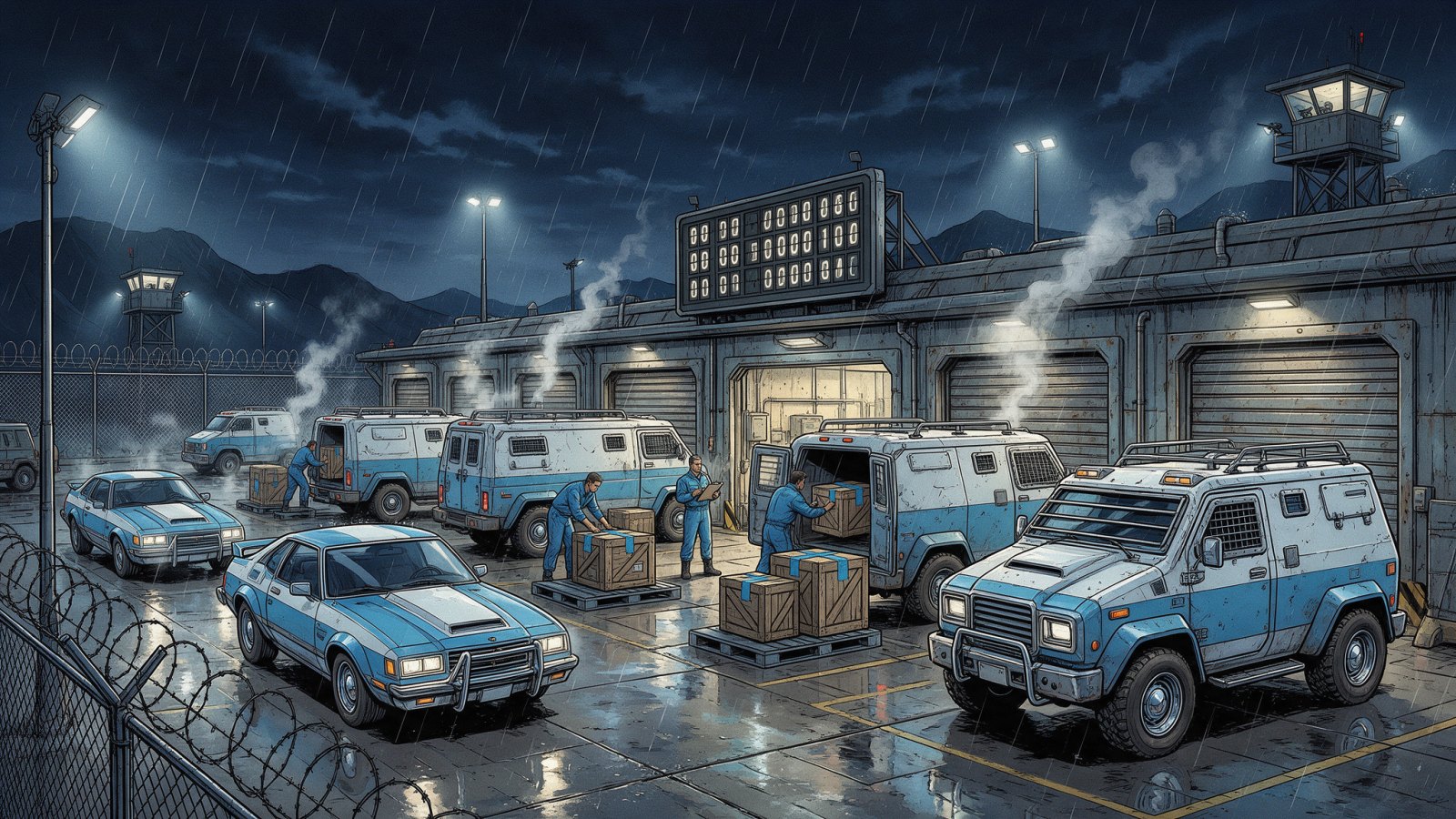
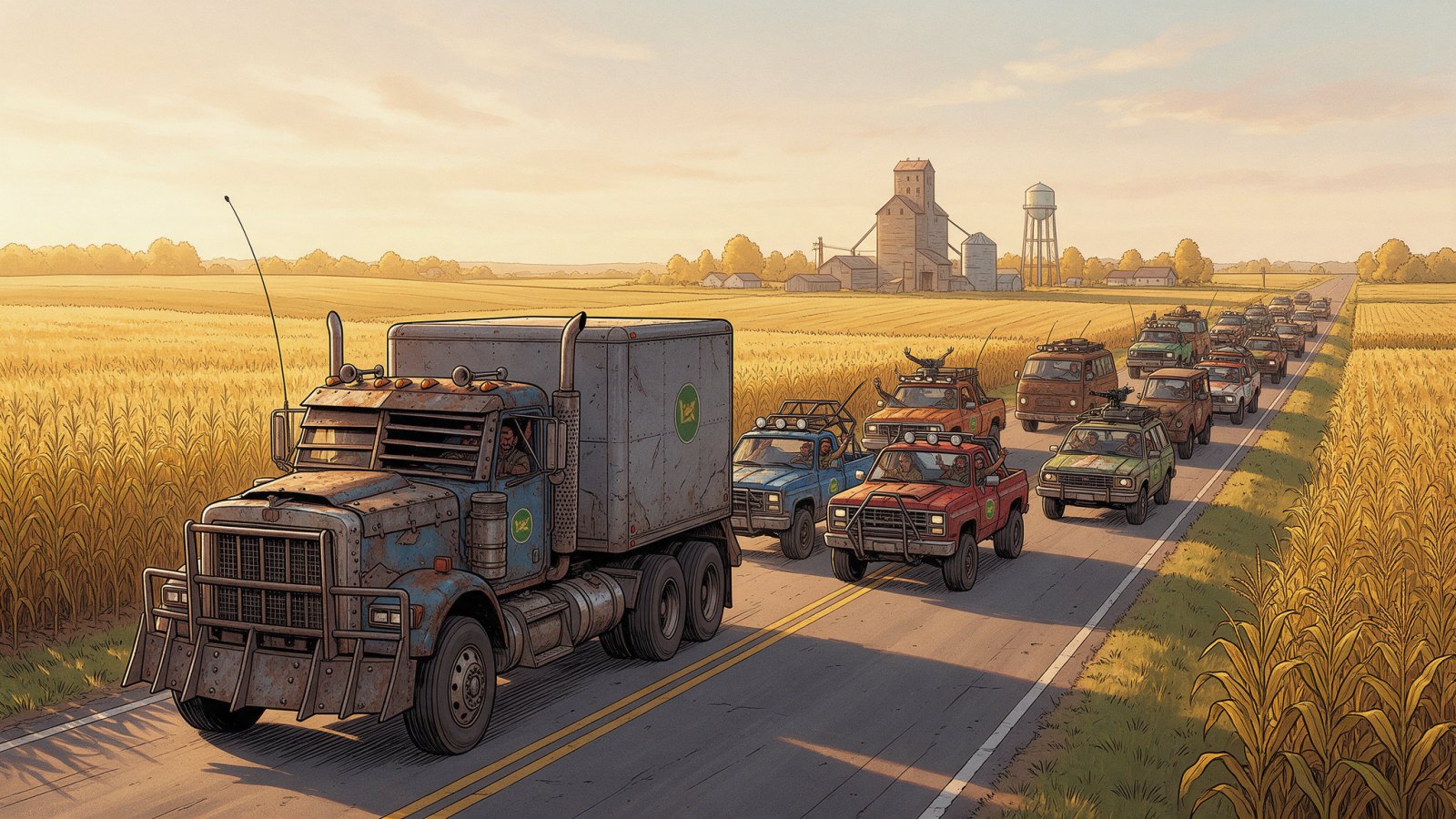
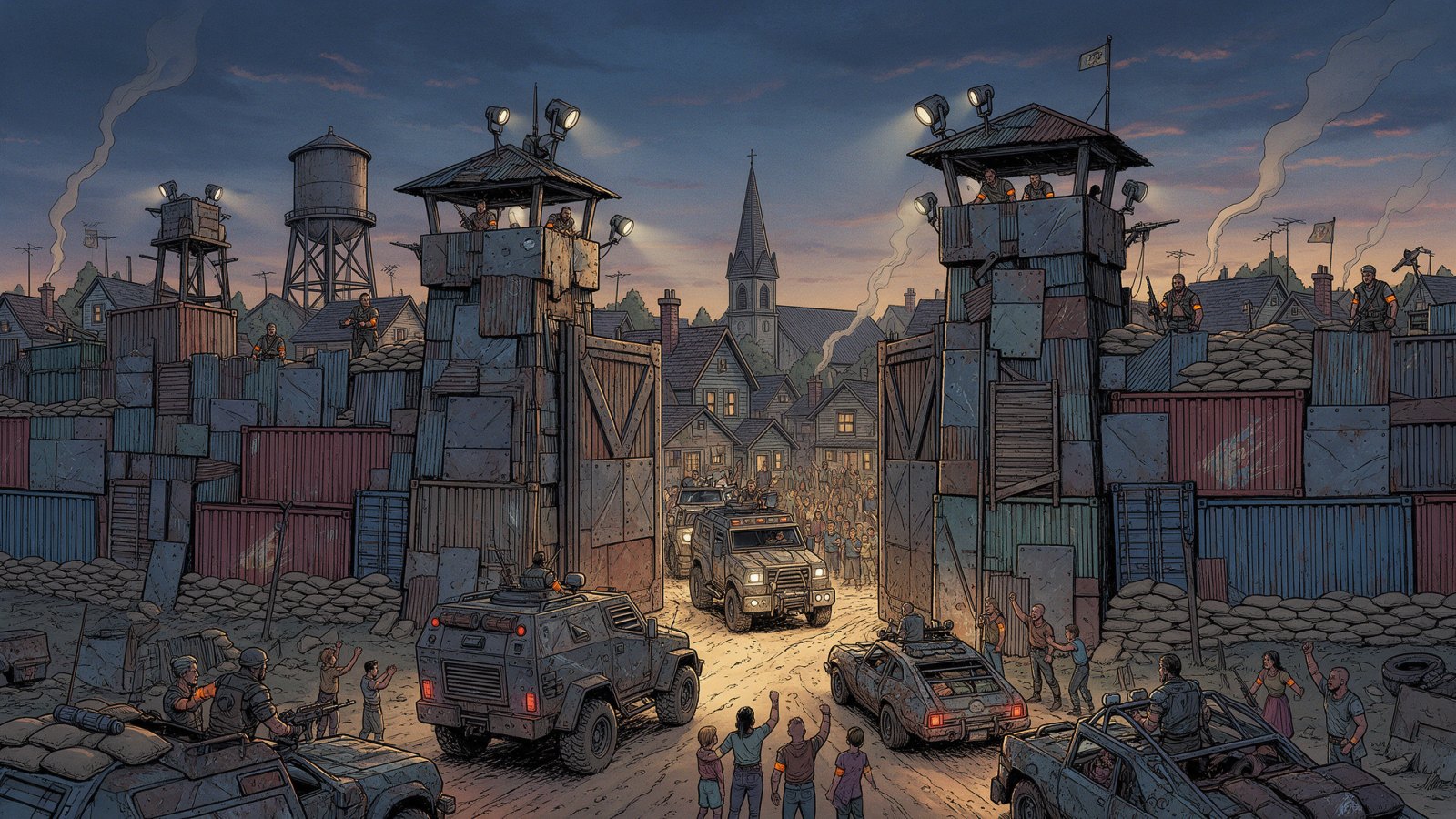
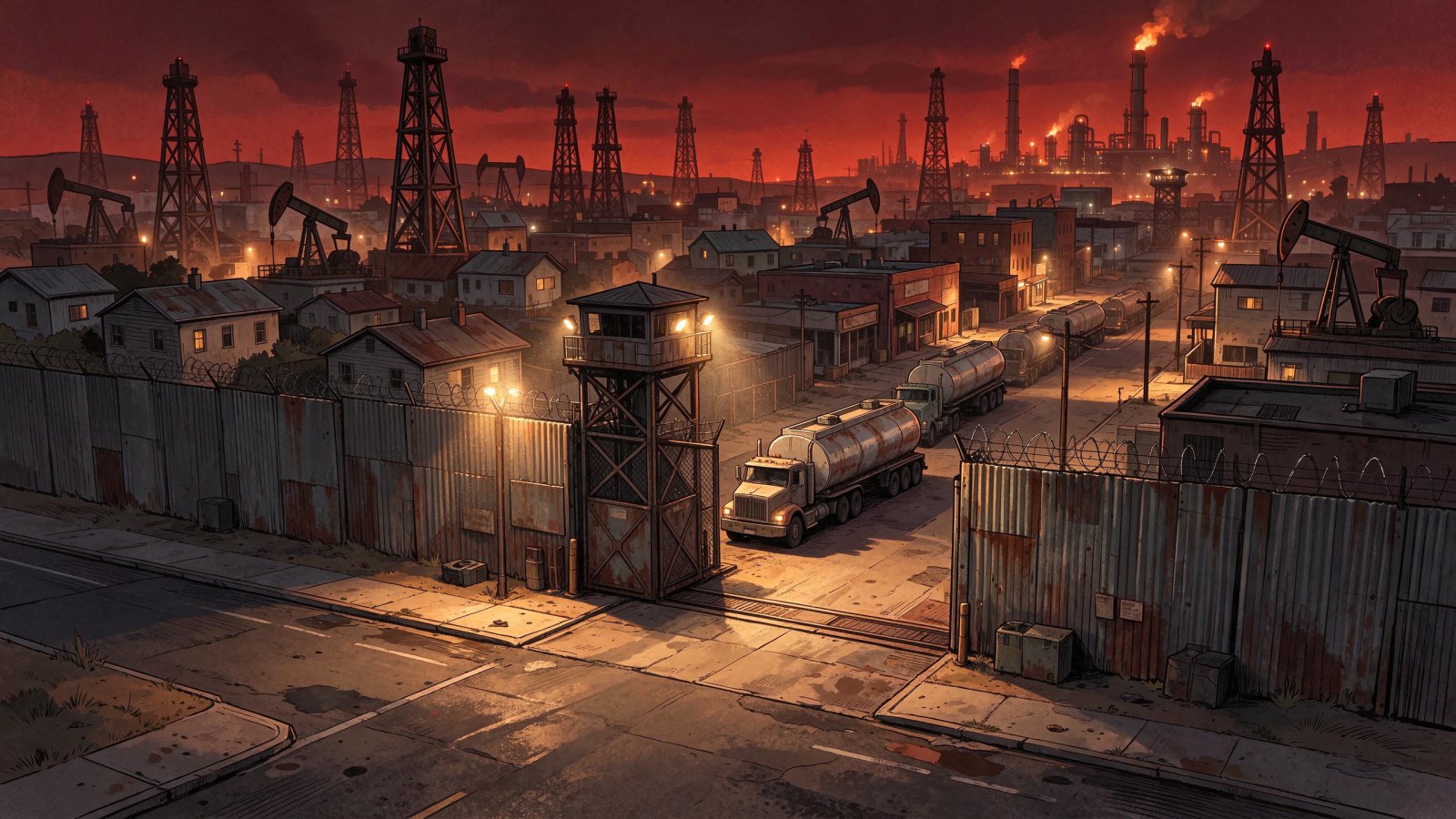
They called themselves the Lonestar Refining Authority, after the railroad commissions that ruled the old fields. Nobody granted them that authority. They claimed it, and nobody has been strong enough to take it back. The LRA licenses every well on the field and rations every gallon that leaves Tyler. It walled Kilgore and the field around it, and the derricks still stand downtown as they did in the 1930s. It runs its own short line into Longview, the only rails still working in that part of the badlands. It sells its gas cheap there on purpose, because cheap gas brings outfits in, and outfits that come in can be watched, hired, or turned away at the gate.
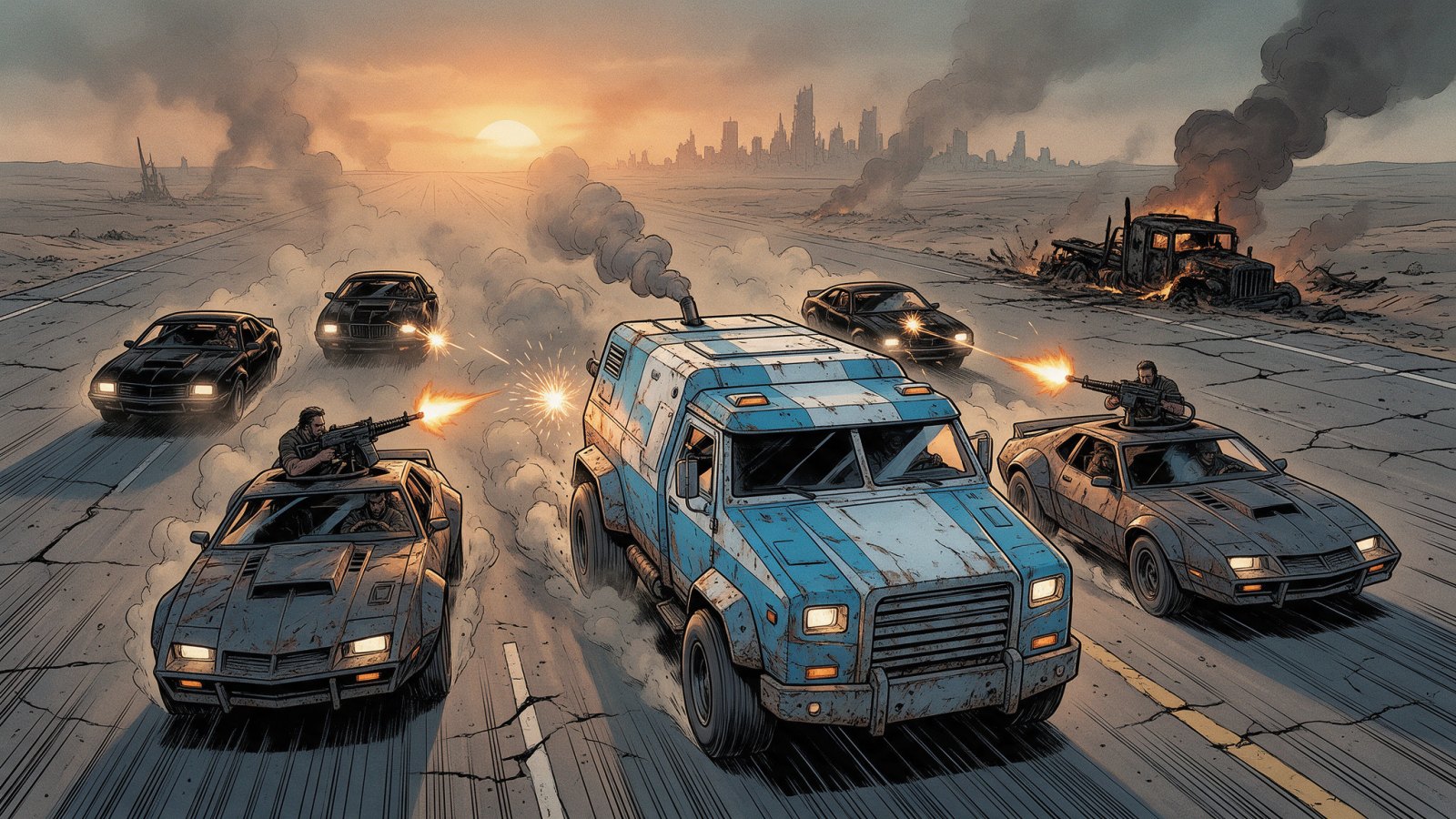
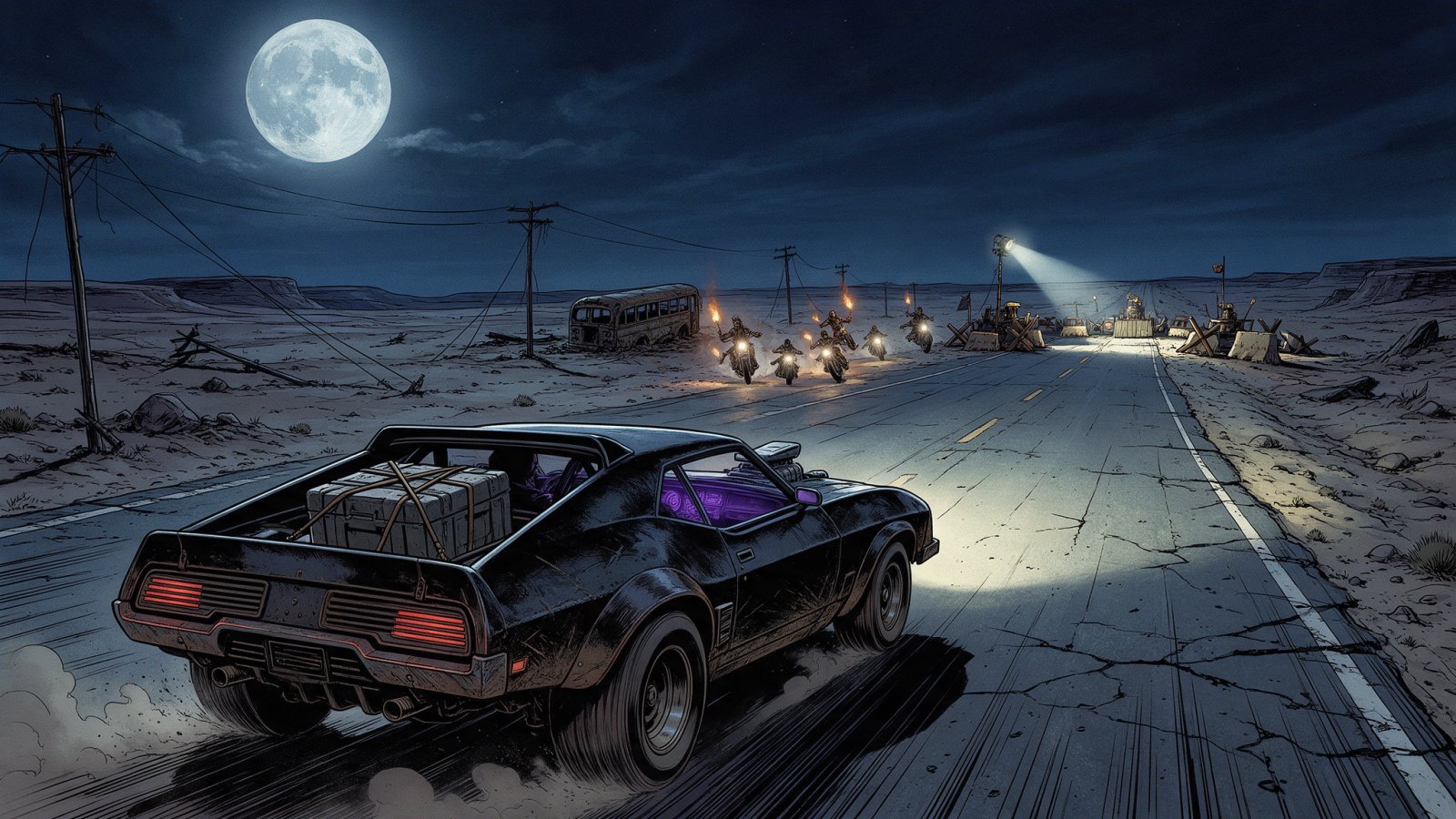
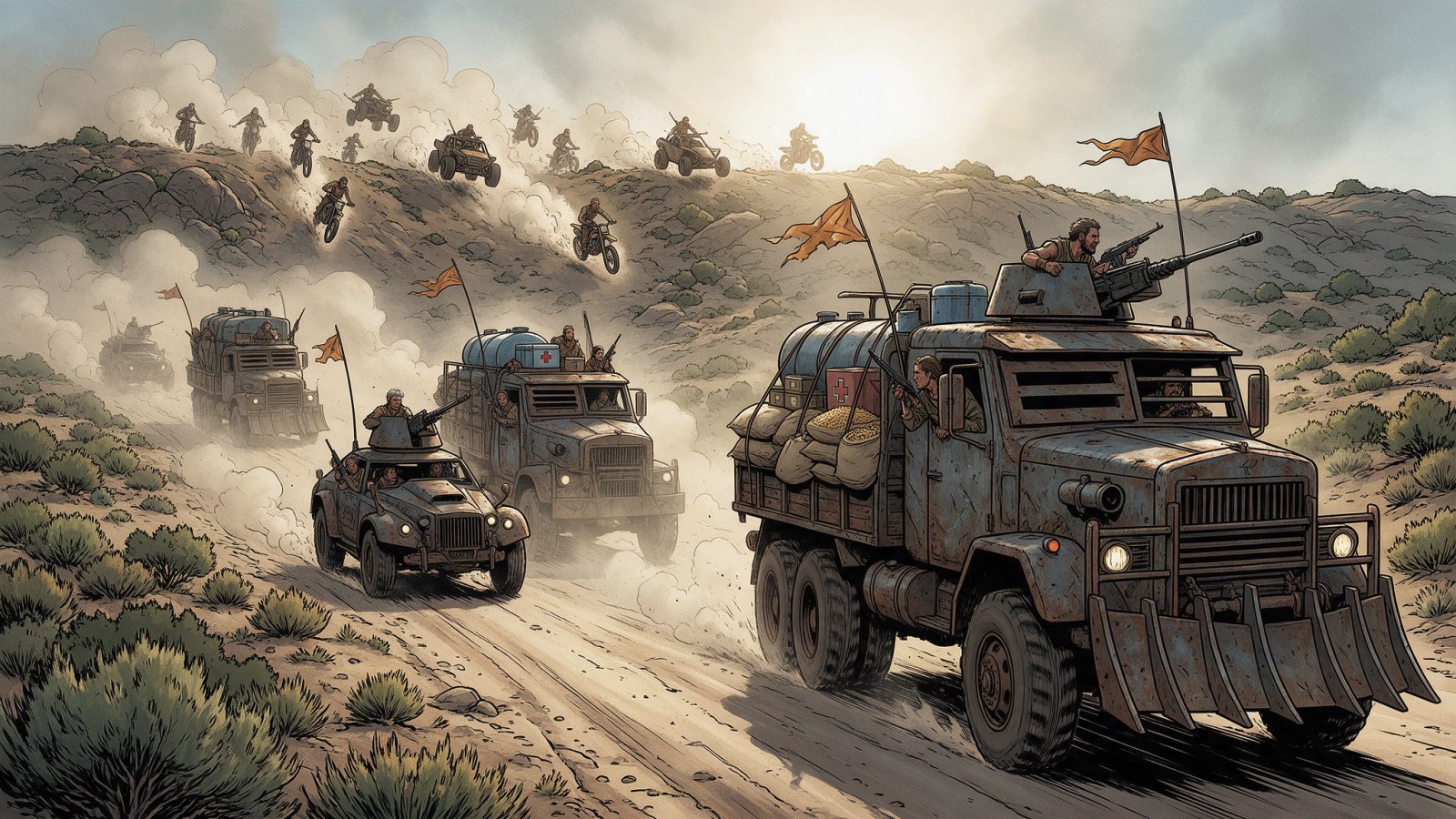
The roads into the oil country belong to the LRA as well. The gangs on them are on its payroll, and the LRA’s Black Tickets are what an outfit pays to make them look the other way. When the NAAA was chartered in ‘33 and came asking for dues, Arthur sent back a photograph of himself with a cigar and a can of gasoline, and the LRA has refused sanction ever since. It has its own TV station, Lonestar 56, and its own oval at the Black Giant. The NAAA calls the Rose an outlaw track. Arthur calls it the only real racing left in America.
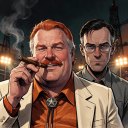
Arthur is the face of all of it: big, red-headed and loud, on every billboard from Shreveport to Texarkana, signing the deals and making the speeches. Douglas is the brains: short, dark and seldom seen, he runs the wells, the refinery, the tankers, the rationing, the roads and the Black Tickets, and he has never been caught wrong about a number. Their promoter at the Rose, Tim Vaughn, is Douglas’s second cousin by marriage. In the LRA, everything is family business.
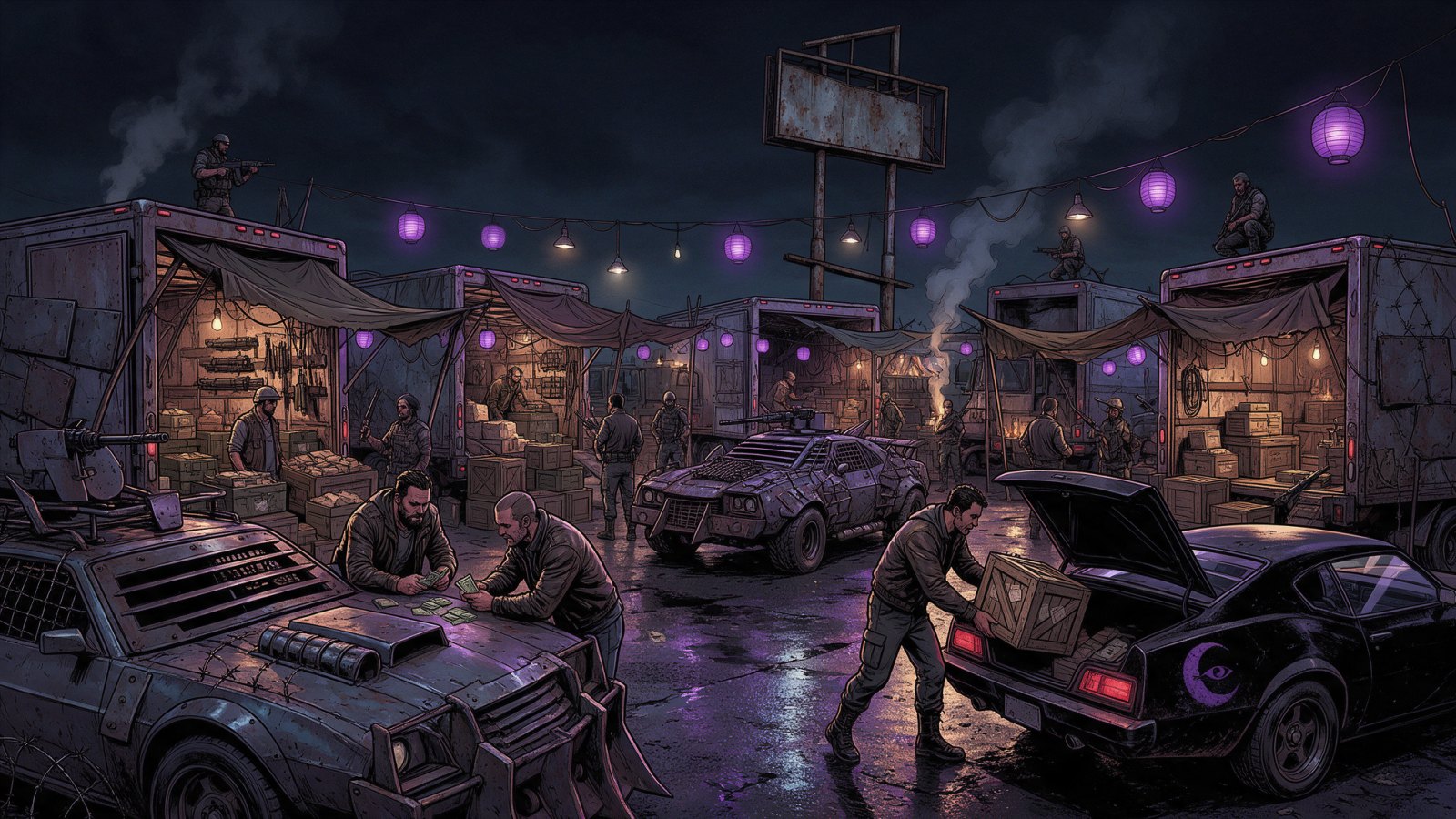
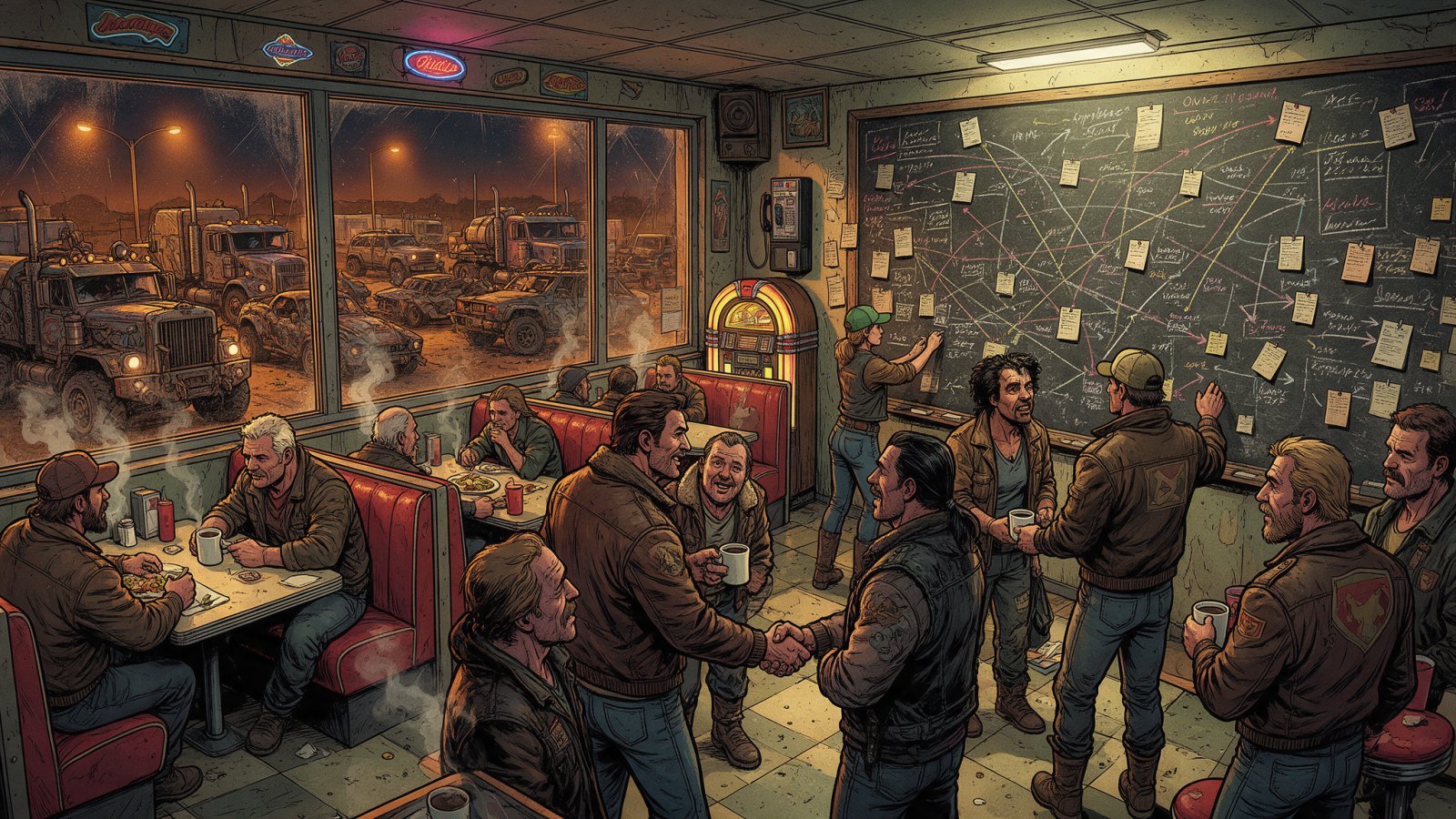
The LRA’s trouble is Night Freight. Since the Night Market started moving in ‘41, hot gas has been leaking out of the oil country in jerrycans and false-bottomed tankers, through a back room in Longview called Rattlesnake Rick’s. The LRA knows exactly where it comes from: its own tankers, a few gallons at a time. Douglas keeps a list of the outfits that carry it. Some of them get a warning. A few of them get a job offer.
East Texas has one more story it never gets tired of. One of the Collins brothers was adopted. Nobody knows which, the brothers have never said, and Teddy Calhoun has been taking bets on it in his TV Log column for ten years.